Simon Heald
Associate Landscape Architect
Creative Placemaking: The art of public realm landscape architecture
Creative placemaking, driven by innovative urban design, has the power to transform ordinary spaces into extraordinary ‘canvases’ of expression and cultural identity. By using the full palette of colour, form, line, shape and texture at their disposal, landscape architects can create environments that not only serve functional needs but also resonate deeply with their users.
Through thoughtful planning, the public realm can provide a unique blend of aesthetic experiences that celebrate local culture, spark community interaction and a tangible sense of belonging. This blog explores how creative placemaking utilises the artistry of landscape architecture to make the built environment a living ‘installation’.
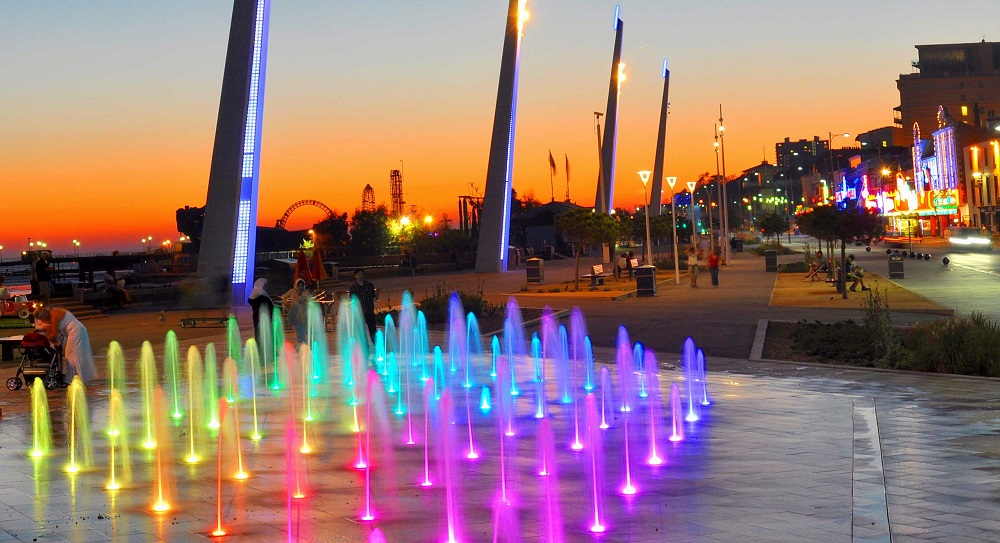
Unlike traditional urban planning, which often focuses on the practicalities of infrastructure and zoning, creative placemaking prioritises cultural expression, aesthetic experience, and emotional connection that shapes a place and nurtures its ongoing development.
Community engagement is at the heart of creative placemaking. By involving local residents, artists, and stakeholders in the design process, public spaces become reflections of community identity and culture. Examples like the regeneration of Bradford City Centre (UK City of Culture 2025) show how people-focused initiatives can breathe new life into the public realm, promote civic pride and foster a sense of real belonging.
Bradford City Centre Regeneration: Creative Placemaking in Practice
Our work in Bradford applies a creative placemaking approach to city centre regeneration – aligning spatial design, movement, landscape and public realm to support culture, identity and everyday use. By prioritising high-quality streets and spaces, active travel, greening and flexible public realms, the project creates the conditions for social interaction, cultural expression and economic vitality. The design framework reinforces Bradford’s distinct character while enabling adaptable, people-centred places that can evolve with the city — ensuring regeneration delivers long-term value for communities, businesses and visitors alike.
Landscape architecture is the design and planning of outdoor spaces with the aim of achieving environmental, social, and aesthetic goals. It incorporates elements like vegetation, water, art and materials along with consultation and planning to create functional and beautiful spaces. Landscape architects in turn design parks and green spaces; town squares and plazas; waterfronts; streets; playgrounds; roof terraces; courtyards; entrance areas; greenways; temporary spaces and art installations.
Key elements in landscape architecture that contribute to successful creative placemaking include ensuring accessibility, engaging people in activities, creating a comfortable and visually appealing location, and fostering sociability.
In Bradford it was important to create and transform spaces where these key elements could be facilitated and naturally occur. Better access for pedestrians and cyclists to the city was developed. New seating and meeting spaces were created. Spaces outside business for them to utilise were discussed. Consultation with all private and public stakeholders meant we were able to deliver what people needed for the city centre.
Benefits of Creative Placemaking
Social
Well-designed public spaces promote social cohesion by encouraging interaction and community activities. They can serve as venues for festivals, markets and cultural events.
Economic
Revitalised, creative public spaces can drive economic growth. Attractive, engaging areas draw tourists and boost local businesses, increasing property values and stimulating investment.
Environmental
Landscape architecture can enhance urban ecology through improved biodiversity and climate resilience. Green spaces contribute to better air quality, reduced urban heat islands, and effective stormwater management, promoting a healthier – and of course a more naturally colourful – environment.
Challenges and Considerations
Funding and Resources
Creative placemaking projects often face financial hurdles. Securing funds and resources requires strategic planning, partnerships, and sometimes innovative financing models like crowdfunding or public-private collaborations.
Balancing Interests
Successful placemaking must balance diverse stakeholder interests, including residents, businesses, and city officials. Effective communication and transparent decision-making processes are crucial for achieving consensus and avoiding conflicts.
Sustainability
Sustainable practices are essential in landscape architecture to ensure long-term benefits. This includes using native plants, renewable materials, and energy-efficient designs that minimize environmental impact while maximising ecological value.
Future Trends in Creative Placemaking
Technological Integration
Technology is increasingly shaping public spaces through smart city solutions, interactive installations, and data-driven design. These innovations enhance user experiences and offer new ways to engage with urban landscapes.
Inclusive Design
There’s a growing emphasis on inclusivity and accessibility in placemaking, ensuring that public spaces cater to people of all ages, abilities and backgrounds. Universal design principles are being integrated to make spaces more welcoming and usable for everyone.
Post-Pandemic Public Spaces
The COVID-19 pandemic has underscored the importance of flexible, open, and safe public spaces. Future designs will likely require a creative approach to promoting health and safety, with features that accommodate social distancing and outdoor activities if needed.
Climate resilient Spaces
Climate change has brought more frequent hot and dry weather to the UK. From changes in temperature and air pollution, to managing water in urban areas, spaces need to be able to be adaptable. A joined-up approach between all design disciplines will help create a climate resilient place that will enable it to adapt to the conditions.
Multi-Functional Spaces
Multi-functional means that a space provides and adapts to several functions rather than having a sole fixed function. Defining what people will do in spaces at the start of the project is important to then enable a space to be designed with flexibility and be able to adapt to a mix of uses.
Public spaces are the heart of our communities. Through thoughtful landscape architecture and creative placemaking, we can ensure these spaces remain dynamic, inclusive and enduring symbols of a place’s inherent character. Landscape architecture plays a pivotal role in creative placemaking, transforming public spaces into vibrant community hubs. By prioritising community involvement and sustainable practices, cities can create inclusive environments that foster connection, creativity in its many guises.
A place-based, community-centered approach to urban planning in the public realm
The urban writer and activist Jane Jacobs first championed placemaking in the 1960s, advocating for a place-based, community-centered approach to urban planning together with the socialist and urbanist William H. Whyte. Since then, Placemaking has grown into a multi-disciplinary, holistic approach to the planning, design and management of public realm spaces.
According to renowned social scientist, the late Marc Augé, a place (as opposed to what he defines as Non-Place) can be defined as a space around which an identity is built, which has a history, which forms part of a collective imaginary and which belongs to a spatial and cultural context. Therefore, transforming a space into a place requires a collective process of appropriation and memory creation.
And notably, The Project for Public Spaces (PPS) initiative defines Placemaking as a method that “invites people to collectively reimagine and reinvent urban spaces as the heart of every community to maximize shared value. It facilitates creative patterns of use, considering the physical, cultural, and social identities of a place, as well as the needs of different users”.