
Newsdesk
Sweco UK
Antarctic Discovery Building achieves BREEAM Outstanding in sustainable construction first
The British Antarctic Survey’s (BAS) Discovery Building at Rothera Research Station has become the first building in Antarctica to achieve BREEAM Outstanding accreditation – the UK’s highest standard in sustainable construction, awarded to just 1% of accredited projects worldwide.
This achievement marks a landmark moment not only for polar infrastructure, but for sustainable construction globally. Designed, assessed and delivered in one of the harshest environments on Earth, the Discovery Building exceeded its original BREEAM ‘Excellent’ target to achieve the highest possible rating under BREEAM International New Construction 2016, using a bespoke methodology tailored to Antarctica’s extreme conditions.
Key takeaways
- The Discovery Building at Rothera Research Station becomes the first building in Antarctica to achieve BREEAM Outstanding, setting a new benchmark for sustainable construction in extreme environments.
- A bespoke BREEAM methodology, including tailored credits for microclimate, wellbeing and biosecurity, recognises a holistic approach to energy efficiency, resilience, occupant health and protection of native ecology.
- From a highly efficient building envelope and CHP–PV energy systems to a purpose‑designed wind deflector and compact internal layout, the project shows how context‑led design can cut carbon, improve safety and support world‑leading polar science.
A purpose-built polar science hub
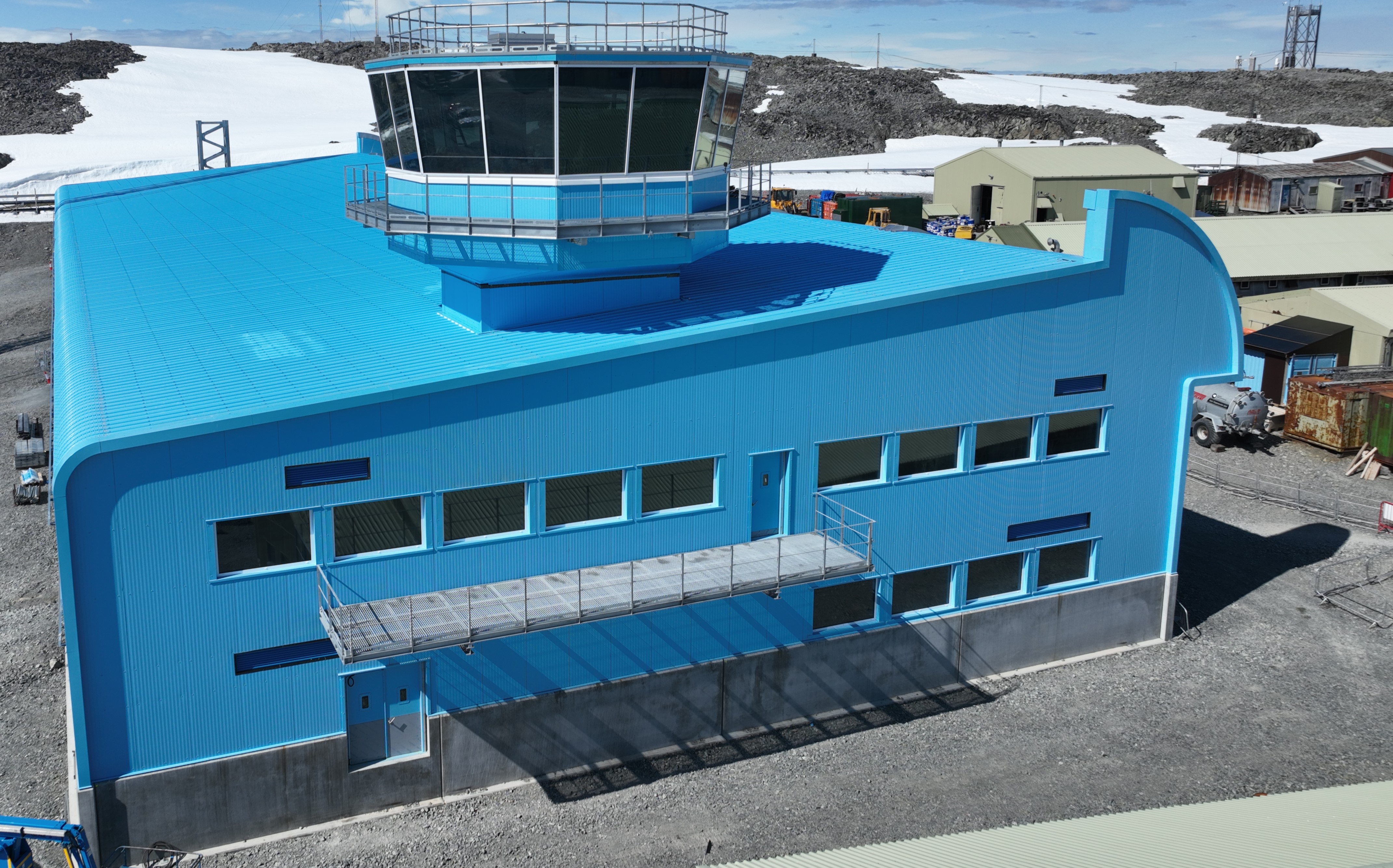
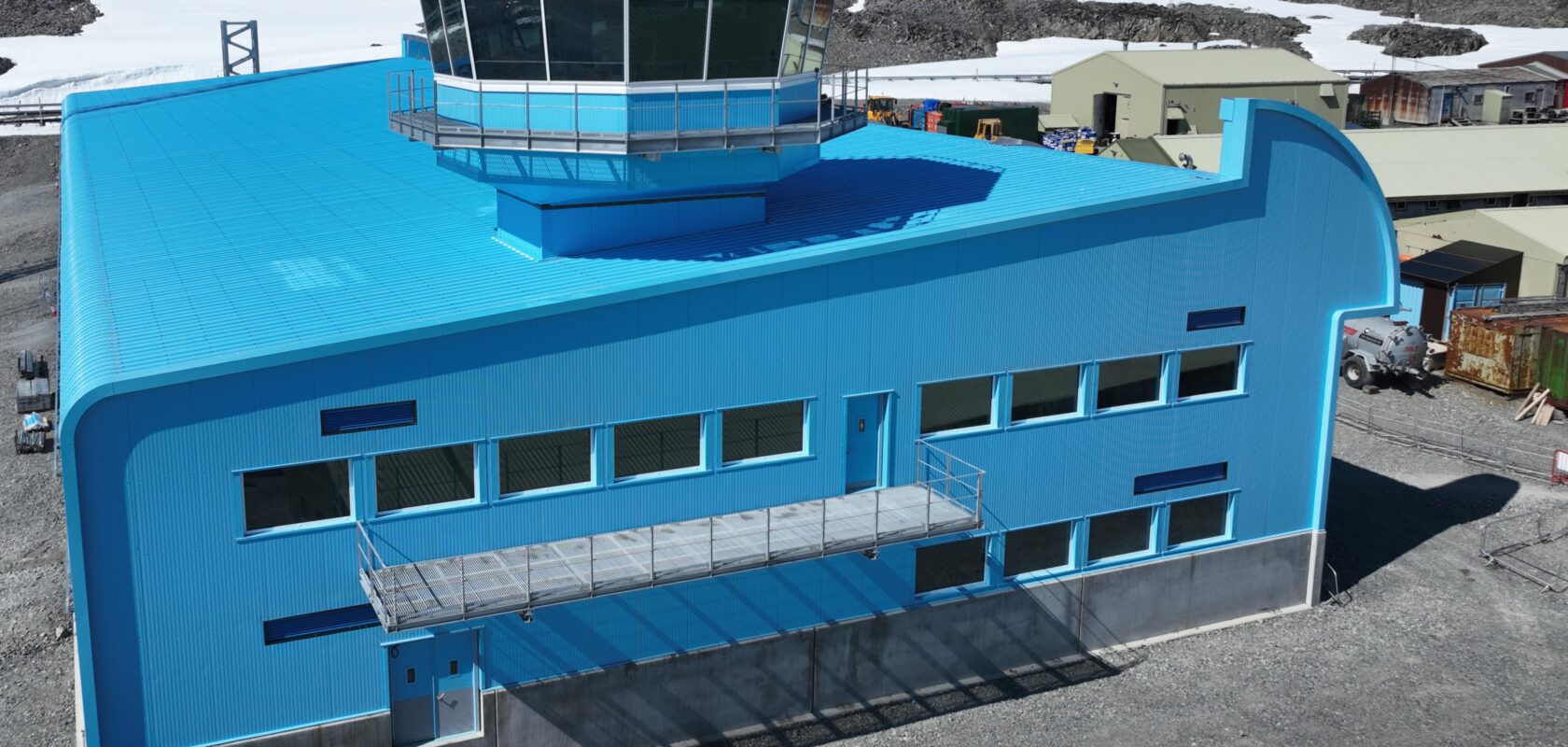
The Discovery Building is a newly constructed, two-storey facility that consolidates scientific support and operational functions under one roof. It replaces ageing, end-of-life infrastructure that had previously been spread across multiple buildings, creating a safer and more efficient environment for the scientists and engineers who depend on it.
The 4,500-square-metre Discovery Building, housing over 100 rooms and spaces across two floors, now serves as the operational heart of Rothera, providing all power, drinking water and communications for the station. The building houses critical functions including an energy centre and plant room, centralised stores, workshops, preparation areas, an operations hub and tower, a medical centre, training spaces, and a variety of wellbeing facilities such as a gym, breakout areas, and music and arts spaces.
Designed for safety, resilience and long-term adaptability, the building incorporates a modular layout, clear visual zoning, and internal circulation that minimises the need for external movement.
Sustainability beyond standard benchmarks
The Discovery Building’s key sustainability considerations – for both the building and the wider site – focused on energy efficiency, water conservation, occupant wellbeing, long-term durability and protection of the native ecology.
Due to the unique nature of the project and its harsh location, sustainability assessment incorporates a number of project-specific requirements that go beyond those typically applied to buildings.
Notably, a dedicated Tailored Appendix was developed to adapt the standard methodology so that it remains both robust and rigorous when compared with standardised BREEAM schemes, while introducing bespoke credit weightings and additional credits.
In addition, two new credits were created under the Health and Wellbeing category. A new Innovation credit – Microclimate – also ensures that adverse microclimatic conditions are carefully considered and mitigated so they do not compromise the building’s performance or integrity.
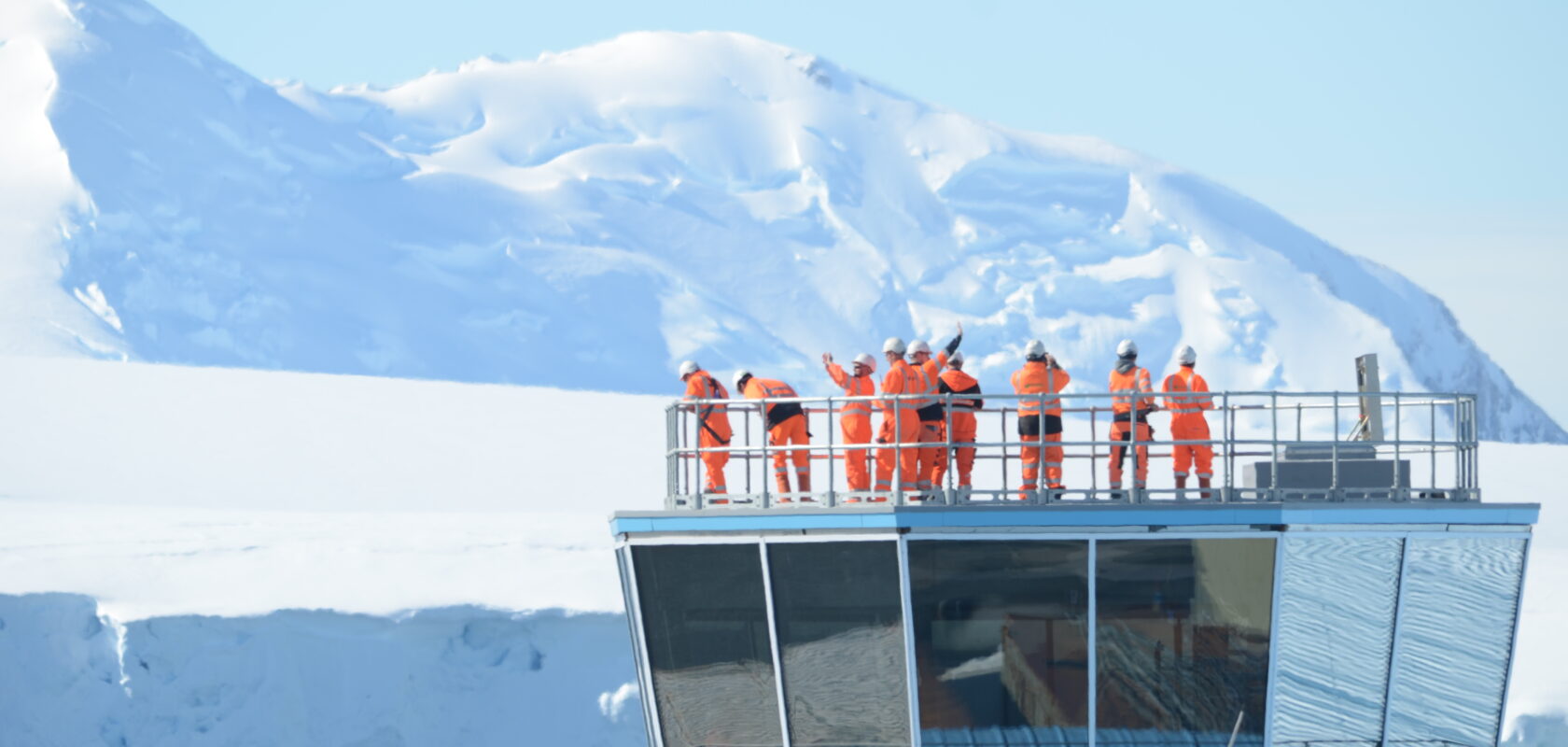
The Discovery Building demonstrates that no matter where you are in the world, you can always incorporate sustainability into the design of a project. Sustainability in an area as isolated as Antarctica ensures the wellbeing of the Rothera Research Station and its occupants are taken care of for generations to come. Discovery has set a new standard for sustainable certifications on the continent by achieving a BREEAM Outstanding rating.
Rosi Cole, Senior Sustainability Consultant at Sweco
Energy efficiency and carbon reduction
Key sustainability objectives were to minimise environmental impact and reduce carbon emissions through a thermally efficient envelope, triple glazing, insulated panels, a combined heat and power (CHP) plant to cut emissions, and photovoltaic (PV) panels providing renewable energy.
A wind deflector, light-coloured exterior, optimal building orientation and improved functional zoning work together to reduce snow accumulation, energy demand and operational resource use.
Water conservation measures, such as low-flow fittings and flow control devices, were integrated into building systems and operations to maximise efficiency in this resource-constrained environment.
By consolidating functions and enhancing logistics in the central store, the design also reduces manual handling and supports efficient, low-impact station operations throughout the year, including during the reduced-occupancy Antarctic winter.
Designing resilience into an extreme microclimate
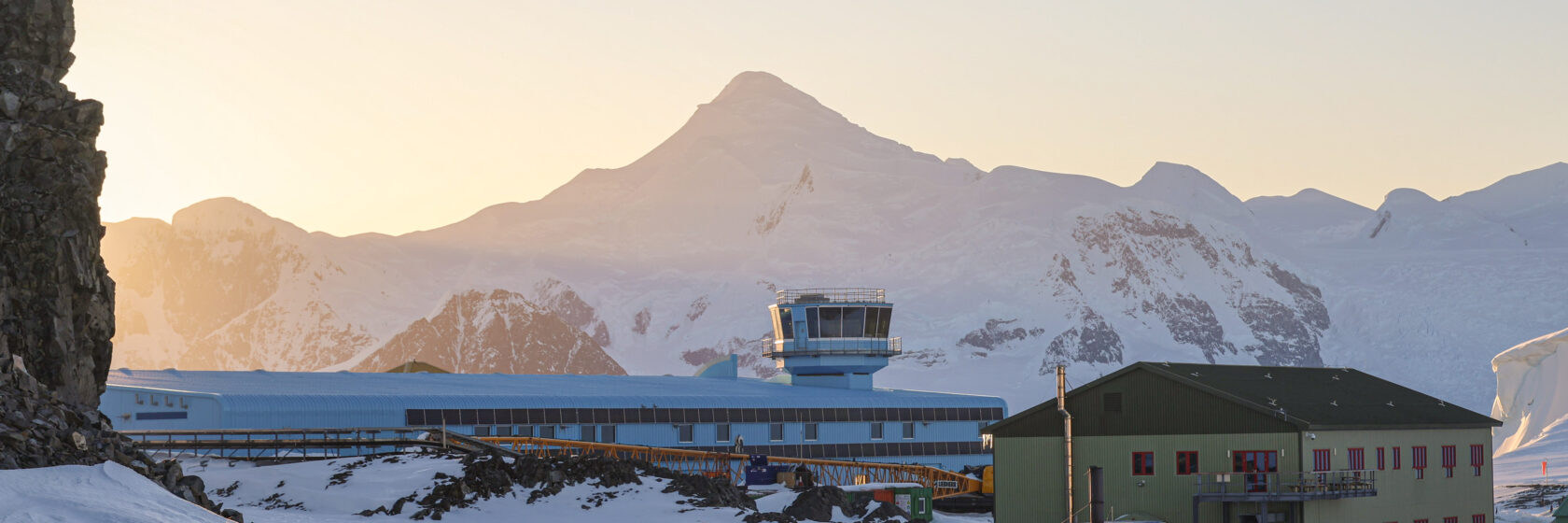
The purpose-designed wind deflector – currently the largest of its kind in Antarctica – significantly enhances environmental performance and operational resilience. By redirecting wind flow and encouraging scouring on the sheltered side of the building, the deflector minimises snow accumulation around critical access routes and building façades.
Combined with the carefully considered location and orientation of the Discovery Building, this approach reduces the need for mechanical snow clearing, cutting fuel use, emissions and machinery wear, while improving safety and reliability of access during severe weather.
The structure of the building itself supports energy efficiency through its 90-metre spinal corridor, enabling teams to carry out work and operations in one place without opening external doors.
Thoughtful design features, including the use of colour and multi-purpose spaces, also support the wellbeing of researchers and support staff who live and work in isolation for months at a time.
Protecting native ecology and biosecurity
Protection of native ecology was treated as a core objective – shaping site layout, construction logistics and operational practices to minimise disturbance to local habitats, encroachment on sensitive areas and pollution risks.
In parallel, strict Antarctic biosecurity protocols were adopted, including the provision of a designated biosecurity room to manage inspection, cleaning and, where necessary, decontamination of materials, equipment, clothing and supplies prior to movement on site, thereby preventing the introduction of non-native species.
Collaborative construction
The design team was involved from the very earliest stages of the project, with sustainability placed at the heart of the client’s brief. Before key design decisions were taken, the BREEAM Assessor was consulted not only to ensure compliance with all relevant criteria, but also to identify opportunities to embed additional sustainability measures beyond minimum requirements.
This proactive approach continued through the construction phase, with sustainability requirements systematically monitored during each season. Regular dialogue was maintained between the construction team, design team and sustainability specialists to review options, address emerging challenges, and verify that the most sustainable, context-appropriate solutions were implemented at every stage.