Civil Engineering Design Consultancy
Sweco’s design teams deliver comprehensive solutions across the full spectrum of civil engineering consultancy services, shaping the ground, water, and infrastructure systems that enable developments and critical assets to be created and function safely, resiliently and efficiently throughout their lifecycle.
Civil engineering is the foundation of the built environment – shaping land, managing water, enabling movement, and providing the physical systems that allow people to live and work in buildings, facilities, and critical infrastructure. Our consultancy focuses on infrastructure that is buildable, resilient, and fit for purpose, responding to real‑world site conditions and long‑term operational demands in a sustainable way.
At Sweco, we support clients across complex settings including development infrastructure, water systems, mission critical and nationally strategic sites, transport networks and energy infrastructure. Sweco applies both innovative and long‑trusted technical expertise in ground engineering, drainage, structures interfaces, access, utilities and climate resilience to arrive at a robust and integrated solution.

Our core civils expertise
Ground, Land & Site Engineering
- Site appraisal, feasibility and due diligence
- Ground investigation interpretation and ground risk management
- Earthworks, cut/fill optimisation and levels strategies
- Slopes, embankments and ground stability
- Retaining walls and earth retaining structures
- Construction stage support
Water, Drainage & Flood Resilience
- Surface water, foul and combined drainage systems
- Sustainable Drainage Systems (SuDS) and blue‑green infrastructure
- Flood risk assessment and mitigation (fluvial, tidal, surface water)
- Hydraulic modelling and exceedance routing
- Culverts, channels, outfalls and hydraulic structures
- Climate resilience, flood adaptation and drought mitigation
Access & Movement Infrastructure
- Highways and local road design
- Pavement design and lifecycle asset management
- Junctions, roundabouts and access design
- Active travel and public realm infrastructure
- Construction traffic management and logistics plans
- Interfaces with rail, ports and freight infrastructure
- Section agreement approval assistance (S38, S278 & S104)
Utilities, Below‑Ground Infrastructure & Interfaces
- Coordinating complex systems to ensure reliable operation and buildability.
- Below‑ground services coordination and clash avoidance
- Utilities diversion, protection and connection strategies
- Cable corridors, ducting and trenching design
- Structural, MEP and operational interfaces
- Asset protection and third‑party approvals
Delivery, Buildability & Lifecycle Performance
- Constructability reviews and value engineering
- Phasing, staging and logistics on constrained or live sites
- Asset condition assessments and upgrades
- Whole‑life performance and maintainability planning
- Critical appraisal and quality assurance of third party designs
Our cross-sector experience
- Logistics & Industrial – large‑scale earthworks, yards, heavy pavements and accesses
- Residential & Mixed‑Use – development infrastructure, drainage and approvals
- Public Realm & Urban Regeneration – streets, spaces, movement and placemaking
- Water & Energy Infrastructure – resilient assets in complex environmental settings
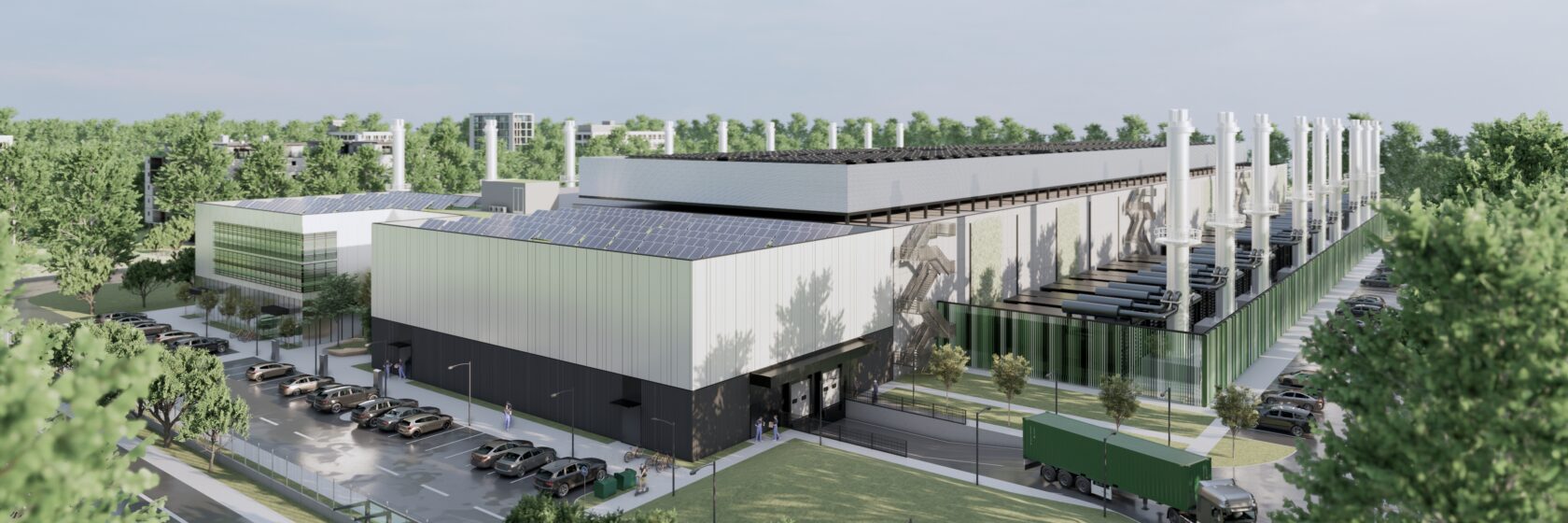
- Mission Critical Facilities – high‑availability, resilience‑led site infrastructure
Civil engineering specialisms
Development Infrastructure
In the development context, civil engineering brings together land, water, access and utilities to create places that are viable, deliverable and ready for long‑term use. It balances planning requirements, technical constraints, commercial drivers and buildability to unlock sites and enable development at scale. Our development infrastructure civil engineering capabilities include:
- Site feasibility, constraints analysis and development optioneering
- Earthworks, levels strategies and cut/fill optimisation
- Surface water, foul drainage and SuDS design
- Flood risk assessment and drainage strategies – S104
- Highways, access roads and adoptable infrastructure – S38 & S278
- Road safety audits and designer responses
- Utilities coordination, diversions and servicing strategies
- Retaining structures and boundary treatments
- Public realm, streetscape and active travel infrastructure
- Construction phasing and buildability advice
- Support through planning, technical approvals and delivery
Water Infrastructure
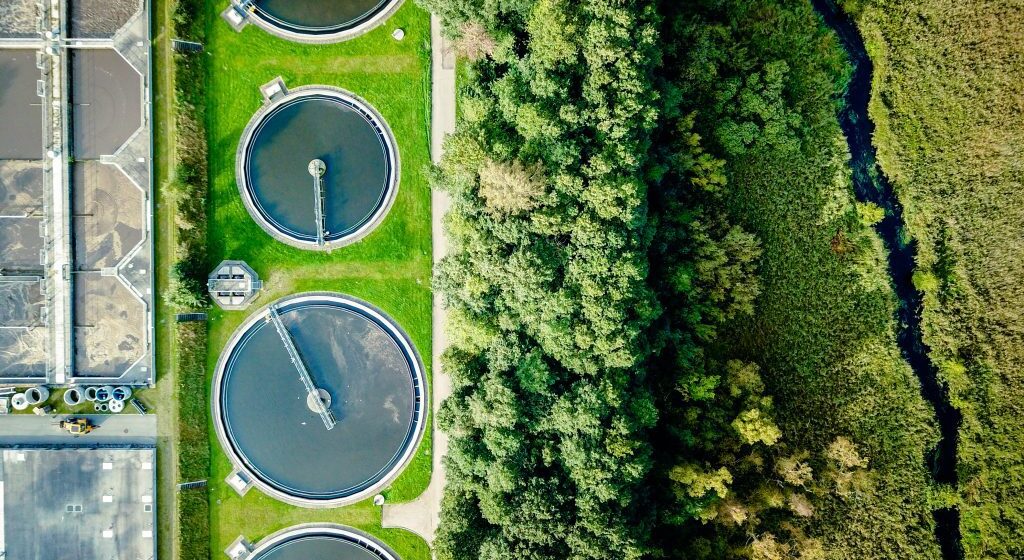
In the water sector, civil engineering is concerned with how water is captured, treated, stored, moved, and then safely returned to the environment. It brings together earthworks, structures, hydraulics and environmental engineering to deliver infrastructure that performs under both operational and extreme environmental conditions.
- Water and Wastewater Treatment works, civil design and constructability
- Clean water, wastewater, and stormwater networks
- Groundwater management and boreholes
- Pumping Stations and storage assets
- Hydraulic structures, channels, culverts, and outfalls
- Flood risk assessment and mitigation (fluvial, tidal, surface water)
- Climate resilience, drought, and flood adaptation measures
- Sustainable drainage systems (SuDS) and blue‑green infrastructure
- Earthworks, embankments, and ground stability
- Asset condition assessment, upgrades, and rehabilitation
Mission Critical Facilities
For mission critical facilities, civil engineering provides the robust physical platform that enables continuous operation for our clients. Our focus is on making sites viable, resilient, and serviceable, ensuring infrastructure can support high‑availability requirements without interruption. Our mission critical civil engineering capabilities include:
- Site selection, feasibility, and due diligence
- Ground investigation interpretation and ground risk management
- Earthworks, site formation, and levels strategy
- Roads, pavements, yards, and hardstandings
- Below‑ground services, drainage (including SuDS), and utility coordination
- Flood protection, exceedance routing, and resilience planning
- Retaining structures and structural interfaces
- Construction logistics and phased delivery on live sites
- Temporary works design and coordination
- Integration with structural, MEP, and operational systems
Transport & Mobility
In transport and mobility, civil engineering creates the networks, corridors, and interfaces that allow people and goods to move safely, efficiently, and sustainably. Our work balances capacity, safety, constructability, and long‑term asset performance. Our transportation-specific civil engineering capabilities include:
- National highways and local road design
- Earthworks, cuttings, embankments, and slope stability
- Pavement design and lifecycle asset management
- Highway and track drainage systems
- Junctions, interchanges, and transport hubs
- Active travel infrastructure and public realm works
- Structures interfaces and retaining solutions
- Traffic management
- Construction staging and buildability support
- Utility interfaces and diversions
- River diversion and protection works
Energy Infrastructure
In the energy sector, civil engineering underpins the safe delivery and operation of power infrastructure – addressing ground conditions, access, resilience and environmental constraints. It ensures energy assets can be built, connected, and maintained throughout their design life. Our energy-specific civil engineering capabilities include:
- Site appraisal, feasibility, and constraints assessment
- Earthworks, platforms, and access infrastructure
- Civil design for substations and grid connections
- Renewable energy infrastructure (wind, solar, Battery Energy Storage Systems)
- Foundations interfaces and heavy‑load support
- Drainage, flood protection, and climate adaptation
- Cable corridors, trenching, and ducting strategies
- Environmental mitigation and permitting support
- Construction logistics and early works plans
- Integration with operational and maintenance requirements