
Emmy Pegrum-Haram
Assistant Environmental Planning Consultant
A seat at the table for Scotland’s future growth: An early-career perspective on Prosper Forum 26
I recently attended Prosper Forum 26 in Edinburgh alongside my Sweco colleagues Claire Valentine, Geraldine Angus and Stewart Craigie. As an Assistant Environmental Planning Consultant, it was an opportunity to step away from day-to-day project work and reflect on how the decisions we support as consultants connect to Scotland’s wider ambitions for growth, skills, infrastructure and the energy transition.
Prosper Forum has brought leaders in Scotland together for over 50 years to share ideas, knowledge and connections. This year’s theme, “Growth Starts Here”, explored how Scotland can deliver sustainable prosperity through stronger enterprise, innovation, productivity, public services and progress towards green economy ambitions.
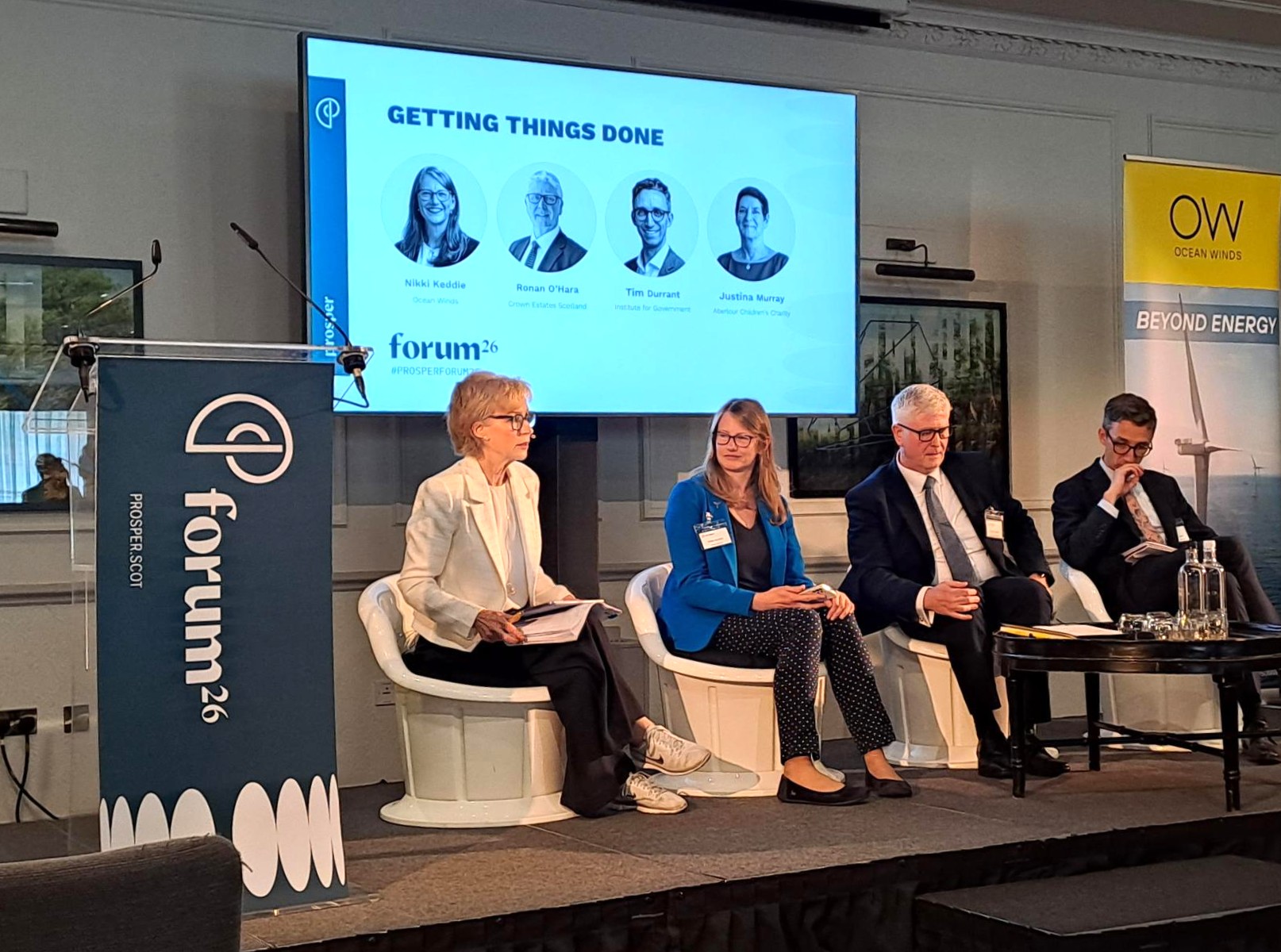
The panel discussions of the day were:
- Getting Things Done
- Growing Competitive Industries
- Growing Workforce Skills
- Growing Scotland’s Regions
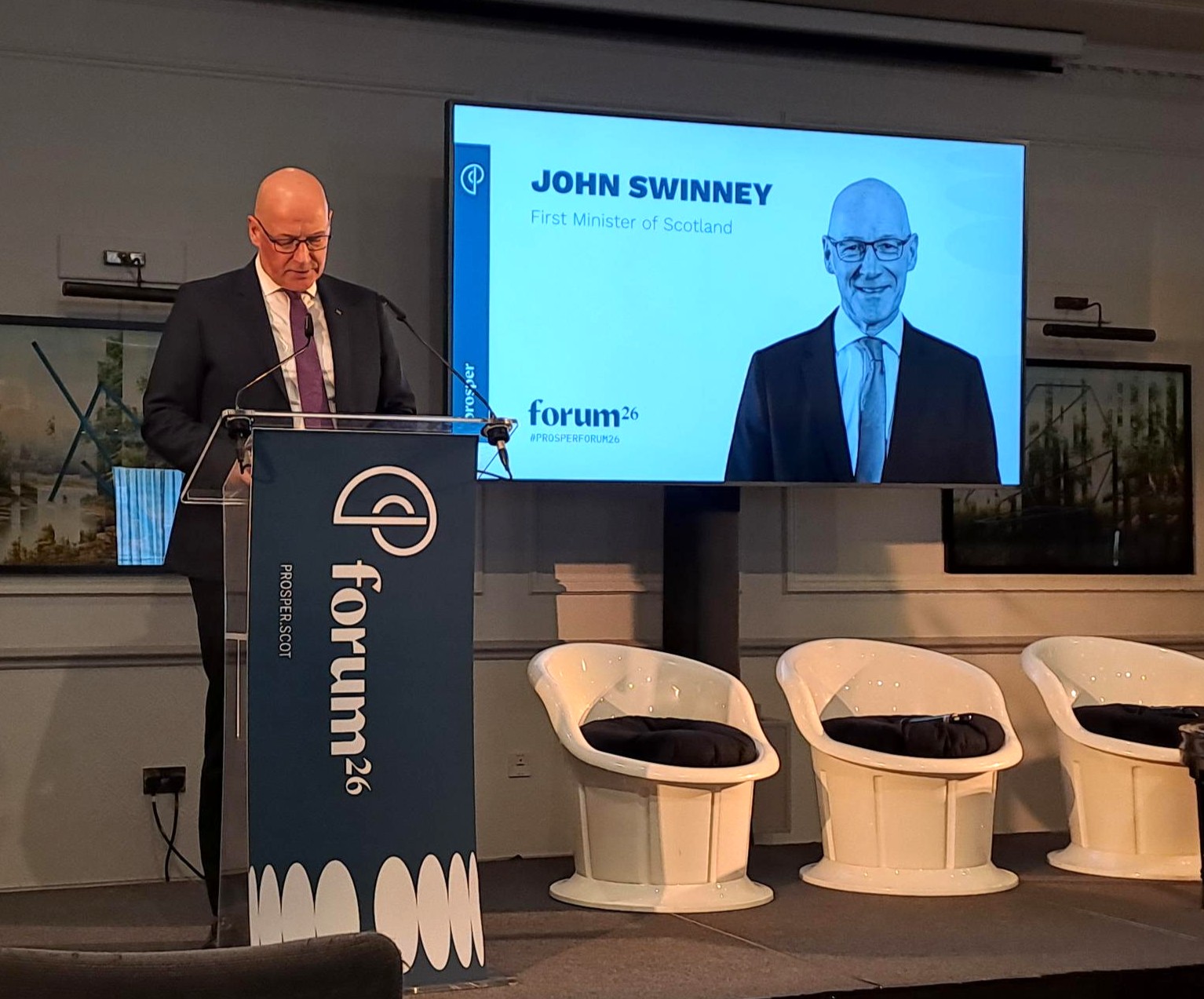
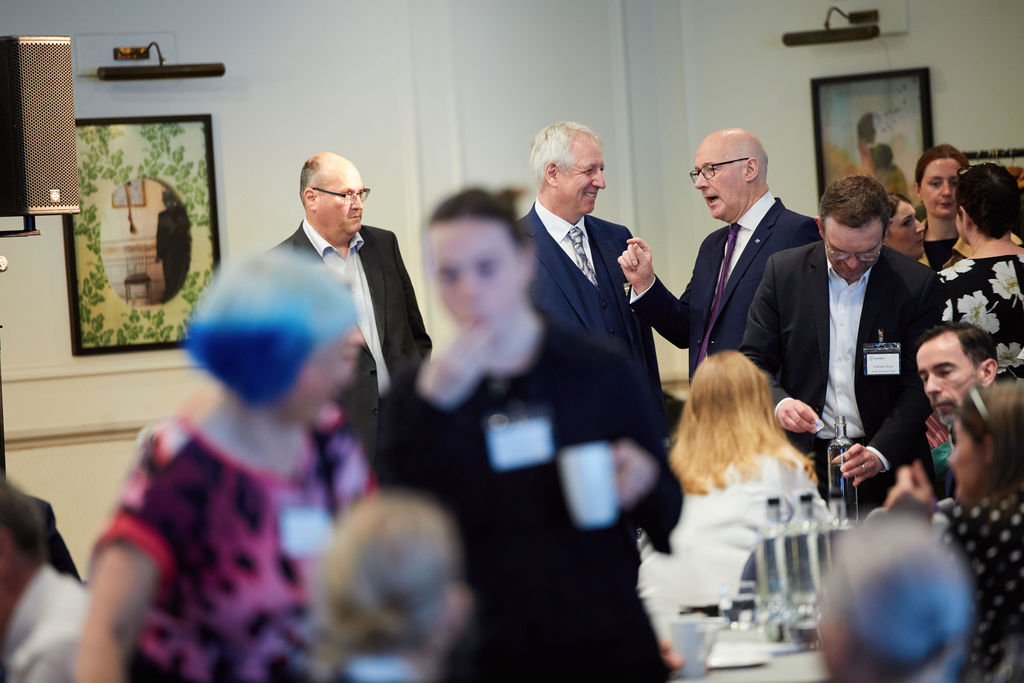
A key message throughout the day was the need for connection, collaboration and common purpose. First Minister John Swinney spoke about achieving more for Scotland through economic growth, equity and partnership between government, business and the third sector. What stood out to me was the idea that systems need to become easier to navigate — moving from “no because” to “yes if”.
As someone working in environmental planning, that really resonated. Our role is often about helping projects move forward responsibly: understanding constraints, balancing requirements and identifying what needs to happen to make good development possible. It also highlighted the importance of curiosity — of asking the right questions, looking at challenges from every angle and exploring what could work, rather than stopping at what might not.
One of my biggest takeaways was that growth is all about balance. Across the day, speakers discussed the trade-offs involved in delivering investment, infrastructure, environmental protection and social value. That felt very familiar. In my day-to-day work, I am often balancing client requirements, design needs, environmental constraints and opportunities for enhancement.
The challenge is not simply to say whether something can or cannot happen, but to help shape projects so that risks are understood, impacts are managed and benefits are maximised.
This requires us to listen carefully to established views and experience, but also to be willing to challenge assumptions where needed. Sustainable growth depends on the ability to explore different perspectives, test ideas and bring people with different priorities into the same conversation.
The energy transition also featured heavily throughout the forum, from renewable energy and transmission infrastructure to the wider challenge of delivering growth responsibly. There was a clear appetite in the room for Scotland to build on its strengths in this space, but also recognition that the transition must be fair, inclusive and rooted in long-term value for communities. This felt especially relevant to Sweco.
As a purpose-driven business focused on transforming society together, we are well placed to support this market by helping deliver infrastructure that is technically robust, environmentally responsible and sensitive to local context.
Another major theme was the future workforce — how we attract, support and equip early-career professionals with the skills, confidence and networks needed for what comes next. As someone at the beginning of my career, I found this genuinely inspiring. There is huge value in being invited into spaces like this: it builds confidence, helps you see how your day-to-day work fits into the bigger picture, and creates opportunities to meet people from different sectors and parts of the country.
For early-career professionals, curiosity is one of our biggest strengths. We are still learning, still exploring and still building our understanding of the industry — but that also means we often come into conversations with fresh questions and different perspectives. Being in the room helps turn that curiosity into confidence. It gives us the chance to listen, learn, contribute and understand how big-picture ambitions translate into real projects, decisions and delivery.
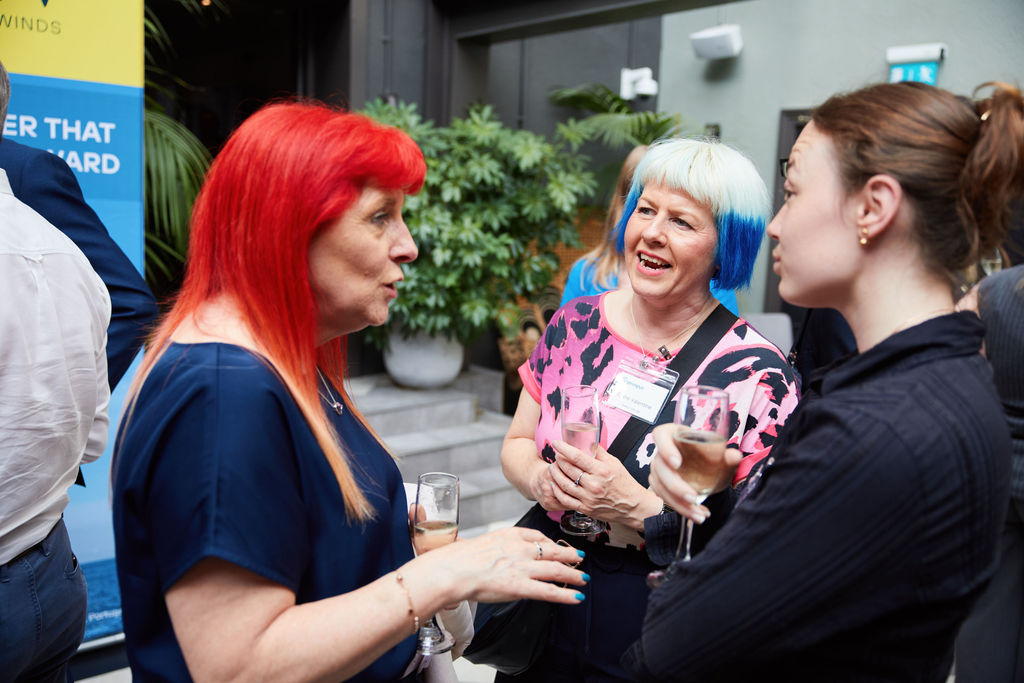
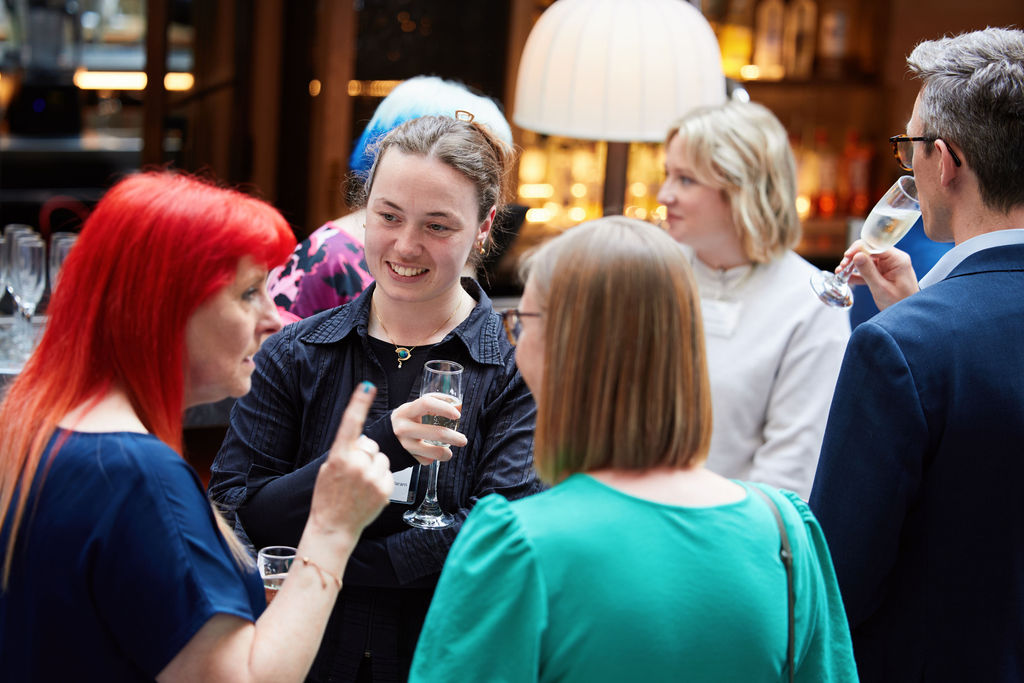
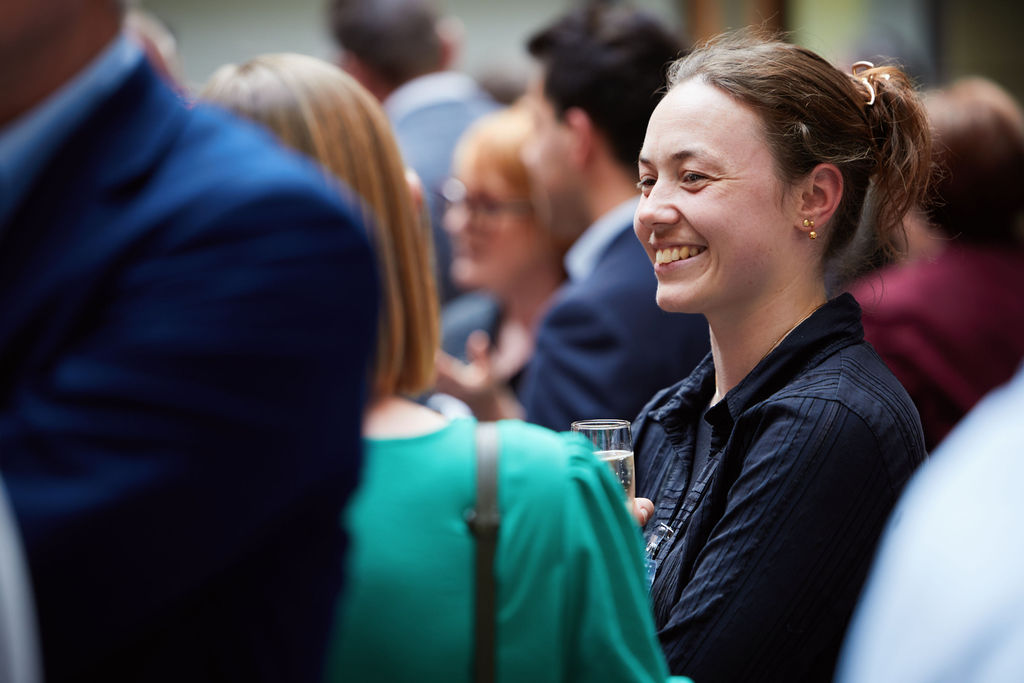
When you are new to a business, things like networking and work-winning can feel quite foreign — and honestly, a bit unattainable. But being in the room makes it feel much more real, much more human and far less daunting. I was seated with other early-career professionals at dinner — jokingly, I called it the “kids’ table” — but in reality it was one of the most valuable parts of the day. We had a lot in common, shared similar values and made connections I hope to return to in the future; who knows, in a few years’ time we might find ourselves sitting together at the “adult table”.
So, if you are early in your career and get the chance to attend an event through an early-career ticket, take it. And for more senior colleagues and peers: please keep inviting us into these rooms. I know there is a real appetite among my fellow graduates to engage with these opportunities, and they help us understand the industry, grow our confidence and see how we can actively contribute.
I left Propser Forum 26 feeling optimistic. My main takeaway was simple: we do not each need to fix the whole system. But if we focus on doing what we do well, stay curious, respect place and local context, engage early, listen carefully, challenge constructively and collaborate with purpose, we can support sustainable growth — and prosper together.