Jersey’s liquid waste strategy: a model for water resilience
Sweco has been working with the Government of Jersey Infrastructure Department on liquid waste for over 20 years, and continues to be a safe pair of hands for our complex and strategic projects. We really appreciate having a consistent core team of people who fully understand our unique position and who we can rely on to provide the right solution.
Duncan Berry Head of Liquid Waste, Government of Jersey Infrastructure and Environment
The Challenge
The latest strategy update came at a time when Jersey, like many places, was facing uncertainty. Brexit and the COVID-19 pandemic distorted migration patterns and made population forecasting less reliable, while the 2021 Census suggested slower growth than previously expected.
At the same time, Jersey adopted a three-year Bridging Island Plan, while still retaining a long-term requirement for 8,000 new homes by 2030. For utility planners, that created a difficult question: how do you invest confidently when the future is not fully defined?
Our Approach
Sweco’s relationship with Government of Jersey dates back to the late 1990s, and the current programme builds on work that began in 2009 with the development of an islandwide integrated network model covering wastewater and surface water infrastructure.
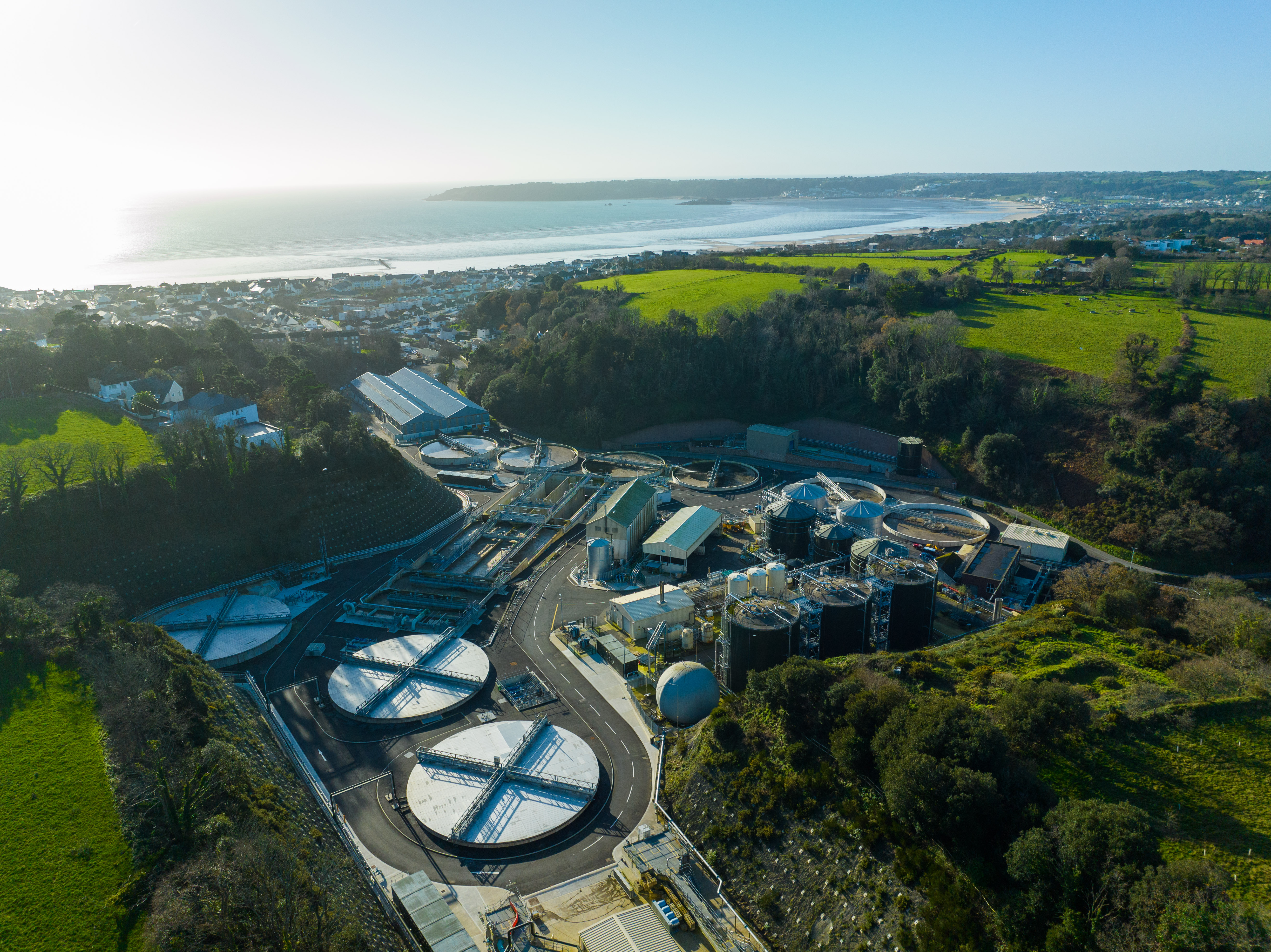
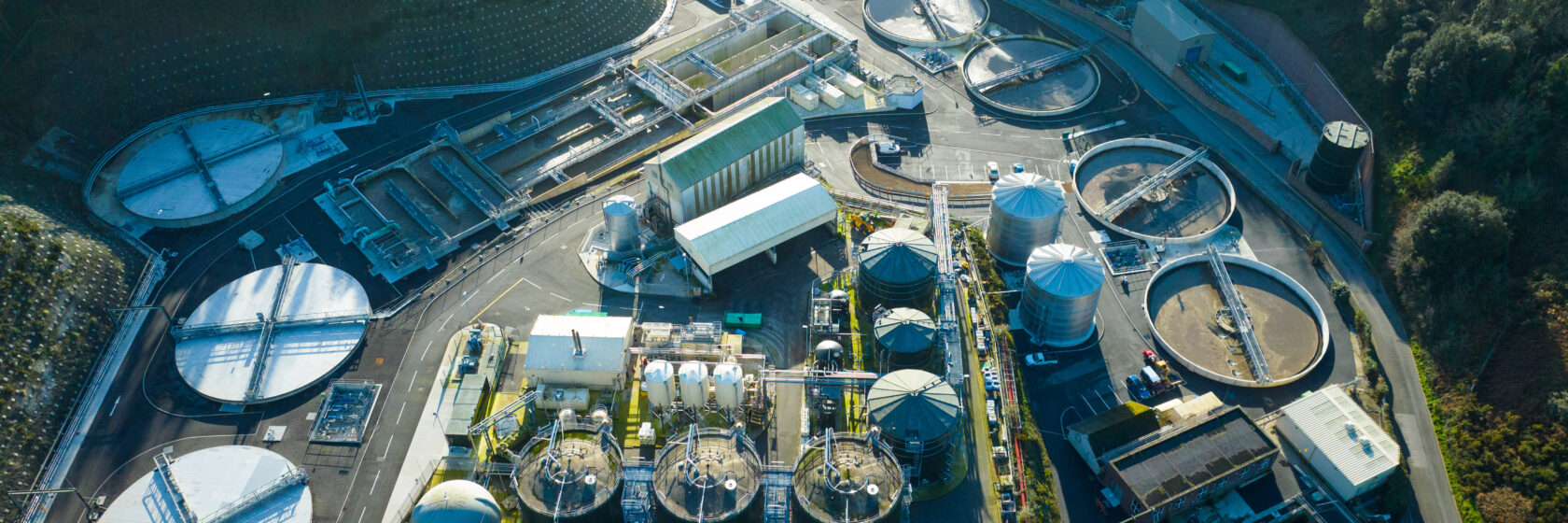
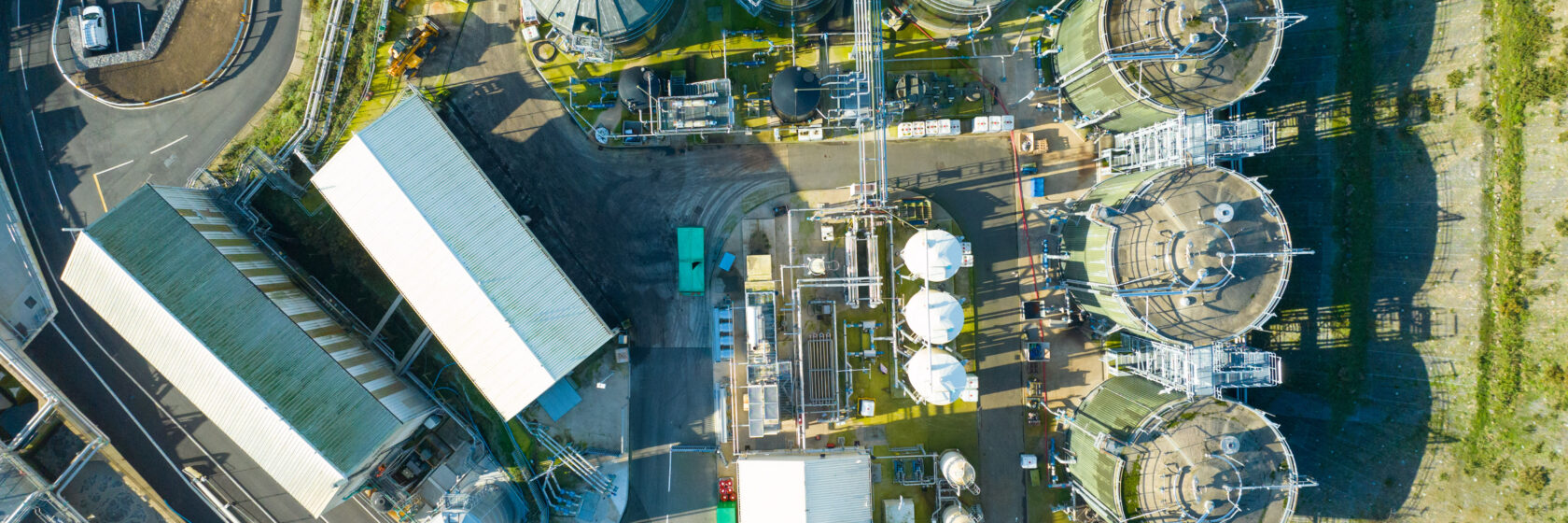
That model was designed to replicate the operational interaction of 108 wastewater pumping stations over telemetry, alongside the Bellozanne Sewage Treatment Works, which treats around 92% of the island’s sewage. This gave Jersey something rare: a whole-island sewer model that could be used not just for analysis, but for strategic decision-making across the asset base.
Sweco worked with I&E, the Planning Department, the Met Office and Jersey Water, using integrated modelling, operational data and local intelligence to test future scenarios and build a strategy that could adapt as conditions changed.
Flooding locations were verified with operations teams and telemetry data, rainfall methodologies were checked with the Met Office, and hydrological inflows were aligned with Jersey Water to ensure the model reflected real island conditions.
The solution
The model formed the foundation for Jersey’s first comprehensive Liquid Waste Strategy in 2013, and Sweco has continued to maintain and enhance it since then. Major upgrades were completed in 2015 and 2024, including the integration of highway drainage. Today, the model provides a comprehensive understanding of interactions between wastewater, surface water and tidal conditions, and is supporting the development of a formal Surface Water Management Plan.
Using the model as a catchment-scale design tool, Sweco assessed a range of options for Jersey’s network. The hierarchy was sensible but disciplined: separate surface water where possible, increase pipe and pump capacity where appropriate, and introduce strategic storage where that gave the best value and least disruption. [SM1] Often, the answer was a combination of all three.
That approach avoided the trap of simply moving the problem elsewhere in the network. Instead, it focused on managing flow intelligently, protecting bottlenecks and reducing the need for widespread, disruptive upgrades. In one example, a proposed strategic storage tank at St Peter has been designed to manage flows from the north of the island and protect constrained parts of the network downstream, including St Brelade, Les Quennevais and Beaumont.
Jersey’s island geography adds another layer of complexity. Logistics, labour availability and specialist construction techniques all affect how work can be delivered. Sweco responded by helping shape a contract strategy that split projects into packages, allowing complex elements to be delivered by UK contractors within a limited programme, while local contractors handled enabling works and fit-out. This balanced support for the local economy with delivery practicality and reduced the risk of extended on-island attendance from specialist suppliers.
That same pragmatic approach extended to cost and constructability assessments. By comparing deep shaft and shallow pipe tank solutions, Sweco was able to demonstrate where certain options would not be economically viable in the Jersey context, ensuring technical optioneering was grounded in real-world delivery constraints.

Project Focus: Integrated Modelling
This programme is a strong example of digital innovation applied in a practical, commercially relevant way.
The network model was deliberately more sophisticated than standard drainage area planning. It was built to replicate the way pumping stations interact through telemetry, without requiring the additional cost and complexity of a full digital twin. In effect, it became a living digital asset – one that has supported strategic decision-making and project design across the island for more than 15 years, and continues to do so.
That matters because the value of a model is not just in the first forecast it produces. It is in its ability to remain relevant: to test growth, climate change and infrastructure options over time; to support both large strategic projects and smaller interventions; and to give engineers and policy makers a consistent platform for decision-making.
Sweco’s integrated modelling approach on Jersey has also attracted interest from other clients looking to create similar assets, particularly those seeking something beyond standard Drainage Area Planning, with the model kept at the heart of design decisions throughout the project life cycle.
Outcomes and Benefits
The final outcome is bigger than a single project or model update. The Liquid Waste Strategy and Long-Term Capital Programme now give Government of Jersey a structured way to plan, prioritise and fund investment over the short, medium and long term.
The framework is used to plan projects 5 to 25 years ahead, create rolling programmes for the next 1 to 5 years, align with government funding cycles, and identify opportunities to bring forward design work when surplus funding becomes available.
Just as importantly, the modelling work now supports broader operational and strategic decisions. It helps identify flood risk, plan catchment interventions, inform development discussions, and support the Jersey Surface Water Management Plan. In other words, the value of the work goes well beyond compliance or capital planning. It gives the client a live decision-support system for managing risk, resilience and growth in a coordinated way.
For water companies, this Jersey case study shows the power of a well-maintained network model when it is used as a decision-making engine rather than just a technical output. It demonstrates how asset intelligence, strategic planning and delivery pragmatism can be brought together to create confidence in long-term investment.
For delivery partners and contractors, it also signals something equally important: Sweco brings not just modelling capability, but the ability to shape strategies that are buildable, phased and sensitive to local constraints. That combination is often what builds the bridge between a good idea and a programme that actually gets delivered.
In Jersey, that has meant helping transform a complex island-wide network into a long-term investment programme that is technically robust, operationally practical and strategically aligned with the island’s future.